


Myth or what?


Thread Starter
Too many posts.. I need a life!!
Joined: Jan 2005
Posts: 751
Likes: 0
From: opk
 Myth or what?
This is what I have been advised, however Im not sure if its right enough or not, so please correct as appropriate:
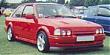
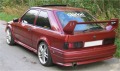
In 1986, the first series 2 Escort RS turbo was made and registered on a D. The car at this point was manufactured in Germany until 1987 therefore as was some early E registered. The german metal gave a strong shell and cars of this period of time ere found to have shown little signs of deteriation. In late 1987 they began manufacturing the Escort Rs Turbo in Spain until late 1990. The spanish metal wasnt as strong and has been found to be more prone to fatigue. By 1991 they realised this, and went back to using the german metal for the final year of manufacture in 1991.
So basically saying the D & H regers have better shells? Enlighten me...
In 1986, the first series 2 Escort RS turbo was made and registered on a D. The car at this point was manufactured in Germany until 1987 therefore as was some early E registered. The german metal gave a strong shell and cars of this period of time ere found to have shown little signs of deteriation. In late 1987 they began manufacturing the Escort Rs Turbo in Spain until late 1990. The spanish metal wasnt as strong and has been found to be more prone to fatigue. By 1991 they realised this, and went back to using the german metal for the final year of manufacture in 1991.
So basically saying the D & H regers have better shells? Enlighten me...

It Wasnt Me!
Joined: May 2003
Posts: 22,752
Likes: 8
From: Scottyland
Not too sure on where they were all manufactured, i thot dagenham? anyway, i usually find F plates are usually good cars with the most solid shells!!! I know of a mint one for sale as it goes, but the owners a perv 


Thread Starter
Too many posts.. I need a life!!
Joined: Jan 2005
Posts: 751
Likes: 0
From: opk
Originally Posted by vroooom ptssssh
Not too sure on where they were all manufactured, i thot dagenham? anyway, i usually find F plates are usually good cars with the most solid shells!!! I know of a mint one for sale as it goes, but the owners a perv


Advanced PassionFord User
Joined: Oct 2004
Posts: 1,917
Likes: 0
From: Batley
ive heard the eralier ones were made in dagenham and were shite and the later ones were german which were stronger, but i can tel you mine is a 1991 and is made in germany and my bros in 1990 and made in germany hope that helps
Trending Topics

15K+ Super Poster!!
Joined: May 2003
Posts: 15,885
Likes: 17
From: Stockport, Cheshire
They were all made in Germany. The early versions didnt have wheel arch liners which gave problems. The main things to look out for are sills and chassis legs and bulkhead. It's just luck mainly.
Rick.
Rick.

st170 breaking
Joined: May 2004
Posts: 5,298
Likes: 1
From: norfolk
Originally Posted by grimmeRST
ive heard that before, but every d plate rs and xr3 i ive had/or mates have had the floor pan and sills were like a patch work quilts
, both red rst too 

Too many posts.. I need a life!!
Joined: Dec 2004
Posts: 570
Likes: 0
From: away with the fairies
how to tell where from?????
what code on the chassis plate/vin number tells ya where it was produced??? and what codes stand for what country/location????
as mines a H plate and so far has only surface rust in minor places
cheers
daz
as mines a H plate and so far has only surface rust in minor places
cheers
daz


Too many posts.. I need a life!!
Joined: Oct 2003
Posts: 630
Likes: 0
From: brighton
im 99% sure all rst where made in germany
it was just all boggy models (orions and scorts) from d to e that used the crap metal. ford brought out a six year protection scheme on the F plate cars to convince lost customers back.
so much for that idea
it was just all boggy models (orions and scorts) from d to e that used the crap metal. ford brought out a six year protection scheme on the F plate cars to convince lost customers back.
so much for that idea

15K+ Super Poster!!

Joined: May 2003
Posts: 17,979
Likes: 3
From: Bucks
They were all made in Germany. The early versions didnt have wheel arch liners which gave problems. The main things to look out for are sills and chassis legs and bulkhead. It's just luck mainly.
Rick.
Rick.

Wahay!! I've lost my Virginity!!
Joined: Apr 2004
Posts: 73
Likes: 0
From: Northampton
The VIN differers (first 3 digits) depending on where it was made:
SFA = United Kingdom
9BF = Brazil
XLC = Netherlands
WF0 & WF1 = West Germany
VS6 = Spain
UN1 = Ireland
TW2 = Portugal
SFA = United Kingdom
9BF = Brazil
XLC = Netherlands
WF0 & WF1 = West Germany
VS6 = Spain
UN1 = Ireland
TW2 = Portugal
S1 Database Editor
Joined: Apr 2004
Posts: 6,492
Likes: 8
From: Lincolnshire
Originally Posted by Rick
The early versions didnt have wheel arch liners which gave problems. The main things to look out for are sills and chassis legs and bulkhead. Rick.
They did change the metal as well as include arch liners in the later cars so that's why they are holding out better than the early ones.
The chassis legs & floor pan on mine are both ok (bar 2 bits on the floor where it was jacked up in the wrong place
 , but are repaired very well). Sills are one to watch on all the cars, not just the oldest RSs.

Regular Contributor
Joined: Mar 2005
Posts: 343
Likes: 0
From: Huntingdon, Cambs
sad but true, its made of steel and its a ford. rust should be something everybody should be wary of! it can happen to all cars made of STEEL. ive seen d plate boggo escorts that have been well looked after and arent showing any external rust yet ive seen T- plate mondeos with rusty arches!! they just need looking after! 
Part of the Furniture
Joined: Dec 2004
Posts: 166
Likes: 1
From: Norway
Originally Posted by D200RST
sad but true, its made of steel and its a ford. rust should be something everybody should be wary of! it can happen to all cars made of STEEL. ive seen d plate boggo escorts that have been well looked after and arent showing any external rust yet ive seen T- plate mondeos with rusty arches!! they just need looking after!

 jus sorta makes sense!


15K+ Super Poster!!
Joined: May 2003
Posts: 17,979
Likes: 3
From: Bucks
Grant, he has the j reg.
There is rumoured a couple of K reg's have been seen!
Nothing special about any of these cars of course, just late registered, sat in a field somewhere until they were registered a year later or whatever
There is rumoured a couple of K reg's have been seen!
Nothing special about any of these cars of course, just late registered, sat in a field somewhere until they were registered a year later or whatever
 got a very weel fitted GRS on it tho


15000
Joined: Feb 2005
Posts: 19
Likes: 0
From: Colchester
i know there were cabbys made in germany and they were double silled and yes the metal was much better. some s2s were built out there but they wernt double silled. 30% is down to metal but 70% is down to garage store or how there lookrd after but the fact is thin metal and water dont mix


Thread
Thread Starter
Forum
Replies
Last Post